Bubbling Paint Above Damp Wood: Termites or Moisture? in Florida
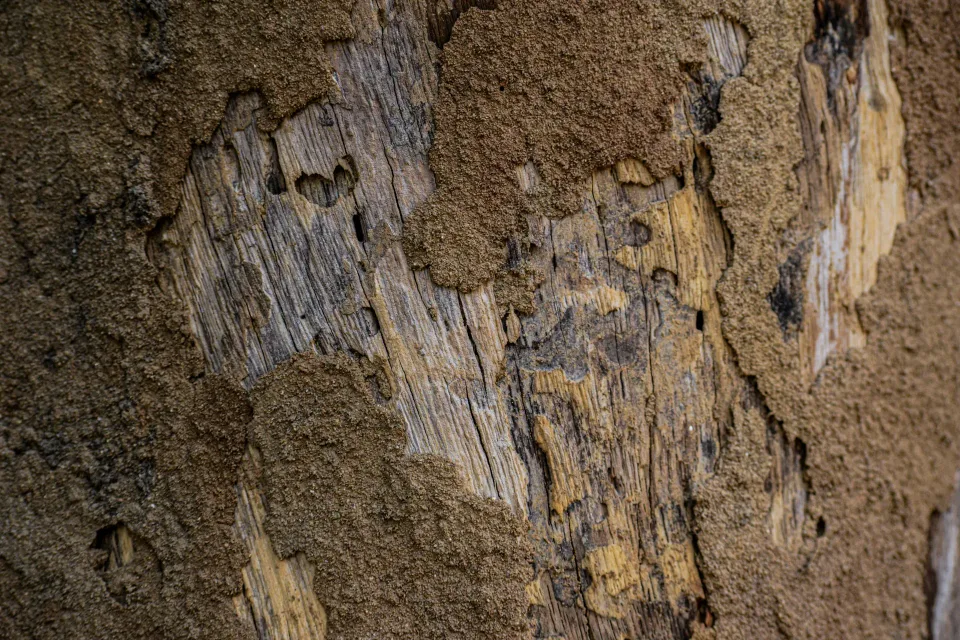
Is Bubbling Paint Above Damp Wood a Sign of Termites?
Hot, humid Florida summers can raise indoor moisture and pest activity, making it easier for wood damage and insect evidence to overlap. In Brickell, Miami, a bubbled patch near a window or plumbing wall deserves a closer look, not a quick coat of paint. Start with these checks:
-
Find the moisture source: Look for plumbing leaks, roof seepage, or persistent condensation near the damaged area.
-
Check nearby wood: Press gently around the trim; soft or hollow areas deserve professional attention.
-
Look for other clues: Note wings, mud, or frass without disturbing suspected activity.
Photograph the patch and note whether it changes after the moisture source is addressed.
What can bubbling paint tell you?
Bubbling paint is a symptom, not a diagnosis. Water behind a finish can loosen its bond with the wall, while damaged wood may also be hidden beneath the same blister. Find the likely water source first: inspect nearby plumbing, window edges, and roof areas, and avoid sealing wet material under fresh paint.
Drywood termite swarms often follow warm, humid weather. If winged insects appear near the affected room, save a sample or take a clear photograph; a swarm can justify checking nearby wood, but does not establish that the bubbled section is infested.
Our field checks focus on the wood and surrounding areas rather than treating the paint surface as proof. The Florida termite inspection process can help identify whether there is evidence that warrants a treatment plan.
Could a bait station explain the damage?
A termite bait station is an in-ground monitoring unit placed in soil to detect and manage termite activity; it does not dry a wall or repair paint. Ask when it was last checked and share that information during an inspection.
Dry the area safely, document damage, and arrange the appropriate inspection if wood remains soft or insects appear. In areas near the Florida Keys, homes can face water-related property concerns that make separating moisture damage from pest activity especially important. A moisture meter reading and a visual check of adjacent wood provide better evidence than appearance alone.
When should you DIY or call a pro?
You can handle basic observation: photograph the bubbling, check for an obvious leak, and keep the area dry while a qualified repair professional addresses the source. Do not inject pesticide, drill into a wall, or cover suspected activity with new trim. Those steps can hide evidence or put product where the label does not allow it.
Call for a termite inspection if the wood is soft, the patch grows after drying, or you find insects or unexplained damage nearby. A recurring blister also needs attention even when there is no visible insect sign; water can continue damaging framing behind an intact-looking finish.
We document what we find and explain whether the next step is moisture repair, pest treatment, or both. For another symptom-based guide, see what mud tubes along a Florida foundation can mean.
What should an inspection establish?
A useful inspection should identify the affected materials, look for activity in accessible surrounding areas, and distinguish visible evidence from a confirmed cause. Ask the inspector to explain which observations support the recommendation and what areas were inaccessible. Clear documentation helps you coordinate repairs without guessing whether to replace wood, correct a leak, or arrange pest treatment.
At homes near Canaveral National Seashore, as elsewhere in Florida, a local assessment should account for the actual building and site rather than assume every damp patch has the same cause. We explain our findings in plain language and confirm access before arrival. Keep the damaged area visible until it has been assessed.
Which Bubbling Paint Inspection Option Fits the Evidence?
Choose the next step based on what the inspection actually finds, not the paint blister alone. Visible termite evidence versus an active infestation matters: old traces may remain after activity has ended, so ask what supports the diagnosis.
Warm temperatures support year-round termite pressure in Florida; that makes continued monitoring useful, but it still does not identify the cause of one damp patch. Brightline MiamiCentral is a familiar Miami landmark, but the same practical rule applies across the state: match the action to the evidence.
A do it yourself pest control approach may help with a small, obvious water issue; exclusion sealant can close a confirmed entry gap, but should not conceal damp or damaged wood.
| Option | Best for | Key detail |
|---|---|---|
| Moisture-source repair | Active leak or condensation | Dry and reassess before repainting |
| Termite baiting and monitoring | Confirmed termite concern around soil | Stations require monitoring visits |
| Localized wood treatment | Confirmed, accessible drywood activity | Targets a limited area |
| Whole-structure fumigation | Widespread drywood infestation | Requires professional assessment and preparation |
How Do You Prepare for a Bubbling Paint Inspection?
A homeowner finds paint bubbling beside a damp doorframe and has a technician scheduled. Leave the patch uncovered and make the surrounding areas accessible. Follow these steps:
-
Record the signs: Photograph the damage and write down when it appeared or changed.
-
Clear the area: Move stored items away from the affected wall, attic hatch, and utility areas the inspector may need to reach.
-
Share the history: Identify leaks, prior pest work, known activity, and any existing termite warranty.
-
Confirm the scope: Request bid-ready scope documentation that explains the inspection findings and proposed work in clear terms.
-
Ask about follow-up: Attentive follow-up means confirming how and when any monitoring will be checked, rather than assuming one visit settles every concern.
-
Review treatment directions: If treatment is recommended, follow product-label reentry and ventilation instructions and keep children and pets away as directed.
Our crew also handles termite control and ant control concerns, but the proposed work should match the evidence at your home. If you are near Apalachicola National Forest or Big Cypress National Preserve, share access details before the appointment so the inspection can be planned properly.
Common questions about Pest Control in Florida
Can bubbling paint above damp wood remain after the leak is fixed?
Yes, bubbling paint can remain after a leak is fixed because the finish or wood may already be damaged; dry the area and check whether the wood stays firm. If the patch spreads or you find frass or insects, arrange a termite inspection rather than repainting over it.
How much does a termite inspection cost for bubbling paint?
A termite inspection typically costs $75–$150, with the price tied to home size and inspection scope. Ask whether the inspector will check the affected wood and accessible adjoining areas, and request a written explanation of findings.
Should I try DIY pest control for bubbling paint or call a professional?
For Florida Pest Pros, share photos and the suspected moisture source so our crew can assess the area and explain the next step.
What Florida rules apply if termite treatment is recommended for damp wood?
Florida Statutes Chapter 482 covers structural pest control licensing, while Florida Administrative Code Chapter 5E-14 addresses pest control requirements. Ask the provider to explain the proposed work and follow the EPA pesticide label for use, reentry, and disposal directions.
Do bubbling paint and carpenter ants mean I need termite treatment?
No, bubbling paint and carpenter ants do not by themselves prove a termite infestation; moisture can damage wood, and carpenter ants require a separate identification. Keep the area accessible and ask for an inspection that documents the evidence before choosing treatment.
Get a Clear Answer About Bubbling Paint in Florida
Find and address an apparent water source, keep the area visible, and get the wood checked if it feels soft, the damage persists, or insect signs appear. A termite protection system is meant to reduce or monitor termite risk; it does not replace correcting a leak or repairing decayed material.
In Wynwood, Miami, as throughout Florida, we explain what the inspection shows before recommending a next step. Coastal salt air can corrode exterior equipment, so mention damaged or hard-to-access components when arranging a visit.
For a practical assessment, contact Florida Pest Pros at (855) 681-0299 or request a termite inspection.
Pest Control FAQs in Gainesville, FL
Can bubbling paint above damp wood remain after the leak is fixed?
Yes, bubbling paint can remain after a leak is fixed because the finish or wood may already be damaged; dry the area and check whether the wood stays firm. If the patch spreads or you find frass or insects, arrange a termite inspection rather than repainting over it.
How much does a termite inspection cost for bubbling paint?
A termite inspection typically costs $75–$150, with the price tied to home size and inspection scope. Ask whether the inspector will check the affected wood and accessible adjoining areas, and request a written explanation of findings.
Should I try DIY pest control for bubbling paint or call a professional?
For Florida Pest Pros, share photos and the suspected moisture source so our crew can assess the area and explain the next step.
What Florida rules apply if termite treatment is recommended for damp wood?
Florida Statutes Chapter 482 covers structural pest control licensing, while Florida Administrative Code Chapter 5E-14 addresses pest control requirements. Ask the provider to explain the proposed work and follow the EPA pesticide label for use, reentry, and disposal directions.
Do bubbling paint and carpenter ants mean I need termite treatment?
No, bubbling paint and carpenter ants do not by themselves prove a termite infestation; moisture can damage wood, and carpenter ants require a separate identification. Keep the area accessible and ask for an inspection that documents the evidence before choosing treatment.
Service Areas in Florida
Select a city to find local pest control providers we cover in Florida.
Discuss Pest Control in Florida
Share your job scope for pest control in Florida — we will review fit and pricing before scheduling.