Plan Before Treatment
Before any work begins, we walk you through the inspection or treatment plan, discuss access needs, and explain what happens next. You know what the technician will do and why, so there are no surprises when the crew arrives.
Fort Myers Beach sits on a narrow barrier island where Estero Boulevard is the only road in and out, and homes from Gulf Watch to the cottages near Snook Bight Marina share the same problem: heat, salt, and water. Hot, humid summers push moisture into wall voids and crawlspaces, and that dampness drives pest activity indoors. When summer downpours flood low streets, rodents and roaches move from soaked ground into dry houses we get a wave of those calls within days of a heavy rain.
Our crew also plans around the weather itself. Extended heat changes how and when we apply products, so our techs treat early in the day and store materials correctly between stops.
We cover every address in 33931 and 33932, from Times Square condos to elevated homes near the bay. Call (855) 681-0299 and we will schedule an inspection that fits your week.
From the crowds at Times Square to the quiet grounds of Mound House, this island deals with pest pressure most of the year. Warm Gulf temperatures support termite activity in every month, not just spring and summer. After warm spring rains, subterranean swarmers take flight and homeowners start finding discarded wings on windowsills within hours. Storm surge and hurricane season from June through November add another layer: flooded slab homes and soaked soffits become entry points for ants, roaches, and rodents.
We confirm access before arrival, explain what we find in plain language, and match the treatment to the pest whether that is a baiting program, a soil treatment, or exclusion work. Expect a scheduled visit, a clear written finding, and follow-up we actually keep.
Three situations drive most of our Fort Myers Beach work. First, drywood termite signs: swarms often follow warm, humid weather, and owners of older wood-frame cottages near Matanzas Pass Preserve find six-sided frass piles under windows.
We locate kick-out holes, probe the affected wood, and recommend localized treatment or fumigation based on how far the colony has spread. Second, storm damage: hurricanes lift shingles and tear screening, and pests move straight through those openings.
A typical visit follows a short sequence:
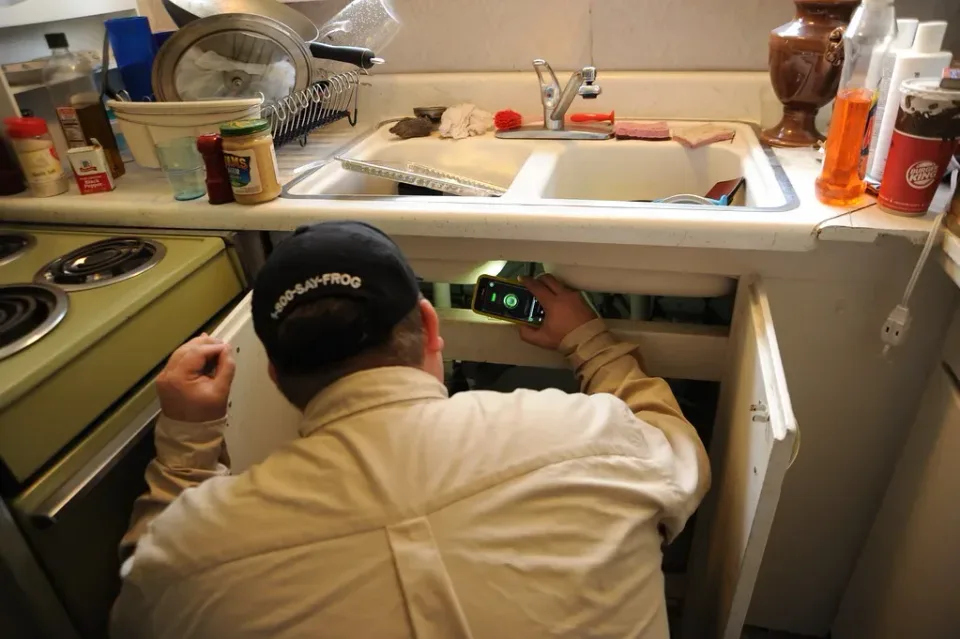
Inspect the foundation, attic, and eaves with a flashlight and moisture meter.
Identify the pest and the entry point or moisture source.
Treat with the method the situation calls for, then set follow-up.
Coastal salt air corrodes exterior equipment, so we inspect bait stations and fixtures for rust on every return trip. We cover both 33931 and 33932. Check your own doorframes by tapping a hollow sound is worth a phone call.
Winter works differently here than ten miles inland. We set monitoring and renewal schedules that assume year-round pressure.
Paperwork matters as much as chemistry. Any termiticide we use is applied under its FIFRA-registered federal label, which dictates rate, placement, and disposal deviating from that label is illegal and voids protection.
We walk homes near Mound House and rentals along the bay with the same checklist. If a buyer or insurer needs that report on a deadline, tell us when you call and we will schedule around it.
We cover the island end to end, and each area brings its own pattern. Whitecap homes deal with salt-air wear on exterior fixtures, so we check corrosion on every perimeter visit.
Sandbar properties sit close to the water, where damp soil keeps subterranean termite risk high. Around Snook Bight Marina and Fish Tale Marina, dockside structures and bait storage need monitoring for rodents and wasps nesting under eaves.
Quotes depend on an on-site assessment of the property, access, and infestation, so we inspect before we price. Homeowners who prefer low-chemical approaches get exclusion and sanitation options first where they will work.
Coastal homes here deal with heat, humidity, and storm exposure, and our crew plans every treatment around those conditions.
Before any work begins, we walk you through the inspection or treatment plan, discuss access needs, and explain what happens next. You know what the technician will do and why, so there are no surprises when the crew arrives.
We started in pest control in the Gainesville area, learning how Florida's heat, humidity, and rainy seasons drive termite and mosquito activity. That experience shapes treatments for older wood-frame houses and newer construction alike.
Florida Pest Pros is a Florida Department of Agriculture and Consumer Services-licensed pest control operator, insured for pest-control operations, and a National Pest Management Association member. We keep customers informed about timing and follow-up from start to finish.
Every job follows the same clear path from your first call to the finished treatment.
Describe the Problem
You call and tell us what you’re seeing, whether it’s bites, droppings, or damaged wood. We ask a few questions, note the property details, and set an appointment that works with your schedule.
Inspect the Property
A technician checks the areas you reported plus the spots pests commonly use, like foundations, window frames, and damp wood. You get a clear explanation of what was found and what it means for your home.
Agree on the Scope
Before treatment starts, we explain the plan, what it covers, and what we need from you, like clearing stored items and keeping children and pets away during application. You approve the scope before any product goes down.
Treat and Follow Up
The crew applies the treatment, follows product-label reentry and ventilation instructions, and schedules follow-up inspections where needed, including bait station checks. You’re told what to watch for and when we’ll be back.
Mud tubes along foundation walls are a classic subterranean termite sign. If you break one open and see live insects inside, it's an active colony worth having inspected.
Hollow-sounding wood around doorframes suggests something has been feeding or tunneling inside the material. Tap the frame with a knuckle; solid wood sounds dense, while damaged wood sounds papery. Pair this with any soft spots and call for an inspection.
Small piles of termite frass look like fine sand or coffee grounds collecting below baseboards or window frames. Frass piles that reappear after you sweep them away mean activity is ongoing.
Warming temperatures wake up termite swarmers and ant colonies, and spring rains push pests toward drier structures. An inspection now catches mud tubes and swarm activity before colonies get established in walls or foundations.
Heat and humidity peak, and mosquito and roach activity climb with them. Kitchen drains and damp areas become hotspots. Regular treatments through the summer keep pressure down while pests are breeding fastest.
Storm season matters here. A fall inspection finds water-damaged wood and entry points before those problems turn into infestations.
Mild dry winters mean pests don't die off here the way they do up north. Rodents and roaches move indoors looking for warmth and water. Winter is a good time for interior treatments and sealing work with less outdoor pressure.
Roaches at the Kitchen Drain
Before: Roaches keep appearing near the kitchen drain, scattering when the light comes on, and the homeowner is finding them in other rooms as the population spreads.
After: The technician treats the drain and harbor areas, explains sanitation steps that cut off water and food sources, and sets a follow-up so activity drops and stays down.
Pest control operators in Florida must be licensed through the Department of Agriculture and Consumer Services. Ask for proof of the license and insurance so you know the person treating your home is accountable.
Interior and exterior coverage, specific pests, and follow-up inspections aren't always the same from one company to the next. A clear list prevents gaps between what you expected and what gets done.
You may need to clear stored items from treatment areas, disclose prior treatments or termite warranties, and keep children and pets away during application. Knowing this ahead of time keeps the visit on schedule.
Ongoing plans differ on length, cancellation, and renewal. Ask how follow-up visits are handled and what happens if you need to stop service, so there are no surprises later.
Request a quote online or contact our Fort Myers Beach, FL team directly by phone or email.
Mud tubes along foundation walls, discarded wings near windowsills, hollow-sounding doorframes, small frass piles, and bubbling paint above damp wood. On this island, warm temperatures keep termite pressure active all year, so any one of these signs warrants an inspection rather than a wait-and-see approach.
Termite inspections typically run $75–$150 depending on home size and scope. Subterranean termite treatment ranges from $500 to $2,500 based on foundation access and method, drywood termite treatment from $1,500 to $5,000 depending on infestation extent and fumigation needs, and bed bug treatment from $300 to $1,500 based on rooms treated. Final quotes depend on an on-site assessment.
Yes. We cover properties around Snook Bight Marina, Fish Tale Marina, and the Sandbar and Gulf Watch areas, including vacation rentals that need fast turnaround between guests. Bed bug treatment and roach service are common requests from rental owners, and we schedule around checkout days when possible.
We use EPA-registered products applied strictly per their labels. Before each visit we confirm preparation: move stored items from treatment areas, keep children and pets away during application, and vacate treated rooms for the label-directed period. We explain every step before we start so there are no surprises.
Pest Control is also available in these nearby communities across Florida.