Local Know-How
We started in the Gainesville area and learned how Florida heat, humidity, and heavy rain drive termite and mosquito activity. Monticello homes, from older wood-frame houses to newer builds, get plans built for those conditions.
Monticello’s antebellum homes and wood-frame ranch houses along US 90 face pest pressure most towns never see. Warm temperatures keep termites active every month of the year here, and the humid summers that fill Monticello City Park with afternoon thunderstorms also push moisture into crawlspaces and wall voids. We handle that pressure daily.
Our crew serves all of Jefferson County from a local dispatch, covering the blocks around the Jefferson County Courthouse, the shops near the Monticello Opera House, and the ranch properties outside town. Flooding from heavy rain can displace rodents indoors, so we pair exclusion work with treatments that match the structure liquid soil treatments for slab homes, wood treatments for older frame construction. Termite treatment and termite inspection lead most of our calls.
If you’ve spotted mud tubes, frass, or wings on a windowsill, call (855) 681-0299. We’ll inspect, explain what we find in plain language, and give you a practical next step.
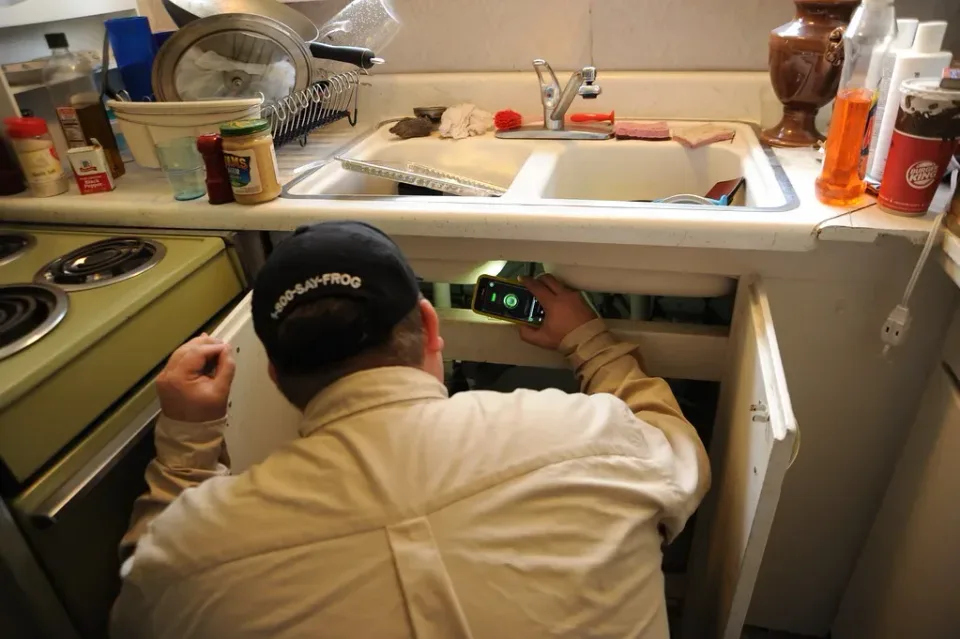
Monticello sits in the heart of North Florida agriculture, where pastures and pine flats surround a courthouse square that has anchored the town since the 1800s. That mix historic wood-frame houses near the Monticello Opera House and newer slab construction toward Monticello High School means no single treatment fits every property. Hurricane-season rain and wind can lift shingles and open roof gaps that let pests in, and while freezes are uncommon in this part of north Florida, the occasional cold snap drives rodents and roaches toward warm wall voids.
We’ve served Monticello for more than a decade. Expect confirmed appointment windows, access checked before arrival, and findings explained before any treatment begins. Call (855) 681-0299 to schedule.
Three situations bring most Monticello customers to us. We inspect, then treat with a labeled liquid soil treatment or bait system matched to the foundation type.
Second, saturated soil after summer downpours. When the rainy season soaks ground along US 90, rodents abandon flooded burrows and head for crawlspaces. Our rodent exclusion and rat removal work seals entry points first, then removes the population.
Third, yard pests on acreage outside ZIP codes 32344 and 32345, where fire ant mounds, ticks, and mosquito breeding sites multiply in standing water. There, fire ant control, tick control, and mosquito control follow the same pattern:
Because warm temperatures support year-round termite pressure here, an older wood-frame house near Monticello City Park can host an active colony in December as easily as in July. In Jefferson County we regularly deal with the Formosan subterranean termite, a species that builds large carton nests inside wall voids and causes structural damage faster than native species.
When we inspect these homes, we document every finding on the FDACS-13645 Wood-Destroying Organisms Inspection Report the state-standard form lenders and buyers around the Jefferson County Courthouse expect in real estate deals. Any treatment we apply follows the EPA-registered termiticide label exactly: trench dimensions, application rates, and re-treatment intervals are set by that label, not by guesswork.
A check you can make today: tap doorframes and window sills with a screwdriver handle. Hollow, papery wood deserves a professional look. If you hear it, we’ll inspect and give you a straight answer about what’s behind it.
We cover every part of Monticello, ZIP codes 32344 and 32345, plus surrounding Jefferson County. Around the Jefferson County Courthouse square and the Monticello Public Library block, older brick commercial buildings and historic houses need careful inspection before treatment, because original wood framing hides termite activity well.
Out toward Monticello High School and the ranch roads off US 90, larger lots mean wasp nests under eaves, ticks in fence lines, and rodent pressure that moves with the weather. Hurricane season runs June through November here, and after major storms we prioritize roofline and crawlspace checks before pests settle in.
Every neighborhood gets the same promise: a licensed operator, a clear written finding, and follow-up visits kept on schedule.
Homeowners in Monticello call us because we explain the problem plainly and treat the house, not just the symptom.
We started in the Gainesville area and learned how Florida heat, humidity, and heavy rain drive termite and mosquito activity. Monticello homes, from older wood-frame houses to newer builds, get plans built for those conditions.
Before any work starts, we explain the inspection or treatment plan, discuss access needs, and tell you what timing to expect. You know what the crew is doing and why before anyone sprays or drills.
Florida Pest Pros is a Florida Department of Agriculture and Consumer Services licensed pest control operator, insured for pest-control operations, and a National Pest Management Association member. Crews coordinate out of Gainesville and serve Monticello.
Every job follows the same clear path from first call to follow-up.
Describe the Problem
You call and tell us what you are seeing, where, and for how long. We ask about the property type and any prior treatments, then set an appointment window and confirm what access the crew will need.
Inspect the Property
A technician checks the areas you reported plus the surrounding structure, looking for entry points, moisture, and activity. You get a plain explanation of what was found and what it means for your home.
Agree on the Treatment
We lay out the treatment plan, what it covers, and what follow-up looks like. You keep children and pets away during application while we keep the work area clear and safe per product labels.
Across pest control calls, the most common reasons people reach out are rodents, general pest control and ants.
A technician schedules an inspection of the unit, confirms the extent of the activity, and quotes a heat treatment plan before any work begins. The owner gets a written scope for the treatment and knows what prep tenants must do before the crew returns.
The crew inspects the pantry and exterior entry points, sets control measures, and points out gaps where rodents are getting inside. Activity drops, and the homeowner knows which openings and food-storage habits to fix to keep mice out.
A technician inspects the mattress, bedding, and nearby furniture, then builds a treatment plan and explains what to clear from the room first. The home gets treated where the bugs hide, with a follow-up scheduled to catch any activity that survived the first pass.
A spring inspection catches colonies before they settle into walls, and sealing entry points now heads off the summer buildup.
Cooled nights send rodents and roaches looking for warm shelter indoors. Sealing gaps and placing bait stations before the cold arrives keeps mice from settling into pantry cabinets and wall voids for the winter.
Occasional freezes drive pests deeper into houses while rodent activity stays steady indoors. Winter is a good time to inspect for termite damage in quiet months and keep bait stations serviced before spring swarms return.
Roaches at the Kitchen Sink
Before: Roaches crawling out of the kitchen drains at night, with droppings building up behind the counter appliances.
After: Drain areas and harborages treated, activity knocked down, and a sanitation checklist in hand to keep the kitchen from drawing them back.
Florida requires pest control operators to hold a Florida Department of Agriculture and Consumer Services license. Ask to confirm it, plus insurance, before anyone treats your home.
You may need to clear stored items from treatment areas, keep children and pets away during application, and follow reentry and ventilation instructions on the product label.
Recurring pest control and termite work often involves service agreements. Know the length, what visits are included, and any conditions for canceling or transferring the agreement.
Request a quote online or contact our Monticello, FL team directly by phone or email.
A termite inspection in Monticello typically runs $75–$150 depending on home size and scope, subterranean termite treatment ranges from $500–$2,500 based on foundation access and method, and drywood termite treatment runs $1,500–$5,000 when fumigation is needed. Estimates vary by infestation, property access, treatment method, and site conditions; final quotes depend on an on-site assessment.
Often yes. Monticello’s historic wood-frame houses around the courthouse square can hide termite activity in original framing and moisture damage in crawlspace wood. We inspect with moisture meters and document findings on the FDACS-13645 form so buyers, sellers, and insurers all see the same record.
After hurricane-season storms we check rooflines, crawlspaces, and foundations before populations settle, then seal entry points so the next storm doesn’t repeat the problem.
Yes. North Florida’s mild winters and warm soil keep subterranean termite colonies feeding year-round. Occasional cold snaps slow surface activity briefly, but colonies survive underground, which is why annual inspections and bait-station monitoring matter here.