Clear Plan First
Before any work begins, the technician walks you through the inspection findings, explains the treatment, and discusses access needs. You know what will happen in and around your home and when follow-up is expected.
Verona Walk sits in Collier County just east of Collier Boulevard, a master-planned community of stucco-over-concrete-block homes with tile roofs, slab foundations, and screened lanais. That construction is solid, but slabs and attached garages still give subterranean termites a path to the wood inside, and screened lanais give wasps and spiders sheltered corners to claim.
Hot, humid summers push indoor moisture up, and pest activity follows it. When a hurricane damages a roof or a garage door seal, pests find the opening before the homeowner does we see it every season.
Our crew covers the whole community, from Sierra Meadows and Boyne South to Walnut Lakes and Silver Lakes, with termite inspection, mosquito control, rodent exclusion, and wasp nest removal. One quick thing to check yourself: run a finger along the stucco where it meets the slab. Gritty mud tubes there are worth a call.
Warm temperatures here support termite pressure in every month there is no winter break in Collier County, so an annual inspection is the baseline, not an option. Flooding from a summer storm can also displace rodents indoors, which is why we check garage and eave entry points whenever we treat a canal-side property.
Our team schedules around your gate and community access rules, confirms arrival windows in advance, and treats slab homes, attached garages, and lanais with methods matched to the pest. Expect plain-language findings, a written plan, and follow-up visits we actually keep. Call (855) 681-0299 to set a first visit.
What we do on those jobs:
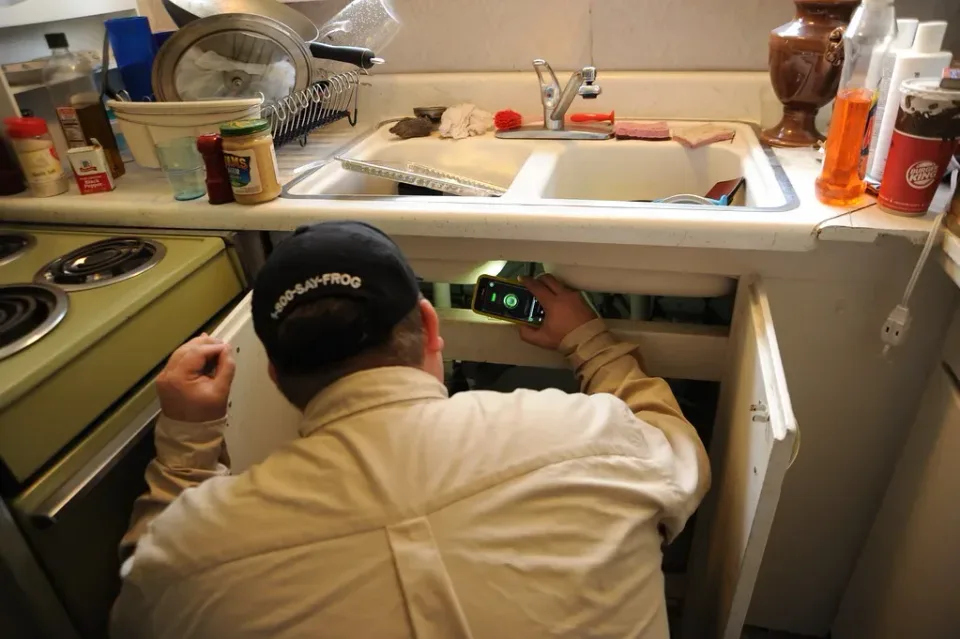
Inspect slabs, garages, and attic framing with a moisture meter and document what we find before treating.
Apply liquid soil treatment or bait systems for subterranean activity, matched to the label and the property.
Run mosquito control programs keyed to standing water in lanais, planters, and drainage areas.
Seal rodent entry points at garage doors and roof lines when droppings show up in pantries.
One check you can make: tap a doorframe lightly with a knuckle. A hollow sound instead of a solid knock deserves a closer look. If any of this sounds familiar, call us and we’ll walk the property with you (855) 681-0299.
The rainy season typically runs May through October in Collier County, and it reshapes our treatment calendar. We time liquid applications for drier stretches and monitor bait stations more often during peak rain.
Every wood-destroying organism inspection we perform is documented on the FDACS-13645 Wood-Destroying Organisms Inspection Report, so Verona Walk buyers and owners get a state-standard record, not a handwritten note. When we do treat, we work strictly from the EPA-registered termiticide label application rate, depth, and timing are set by that label, not by convenience.
Because most homes here sit on slabs with no crawlspace, exclusion work focuses on garage thresholds, lanai screening, and roof penetrations instead.
Our routes run through all six Verona Walk areas, and each one has its own pattern. Sierra Meadows homes back to green space, so we check lanai screens and yard-edge fire ant activity on routine visits.
Boyne South sits along the canal network, which keeps mosquito pressure high and makes standing-water checks part of every service. Rockedge’s slab homes show the classic termite signs at garage thresholds, so we inspect those junctions closely.
Walnut Lakes and Silver Lakes share lake-front exposure, meaning wasp nests under eaves and screened lanai corners need seasonal attention. Hammock Park Commerce Centre brings commercial suites where rodent exclusion and documented inspections matter for lease compliance.
We plan routes from our dispatch operation so visits stay on schedule, and we confirm access details before arrival since the community is gated. If your street isn’t listed here, ask if it’s in Verona Walk, FL, we cover it. Call (855) 681-0299 and we’ll get you on the next route.
Florida Pest Pros explains the plan before treatment starts and handles the pests Florida homes deal with.
Before any work begins, the technician walks you through the inspection findings, explains the treatment, and discusses access needs. You know what will happen in and around your home and when follow-up is expected.
Heat, humidity, and rainy weather drive termite and mosquito activity here. The company started in the Gainesville area and builds treatment plans for Florida homes, from older wood-frame houses to newer construction.
Work is performed by a Florida Department of Agriculture and Consumer Services-licensed pest control operator, with insurance for pest-control operations and National Pest Management Association membership behind every job.
Every job follows the same clear path from your first call to the finished treatment.
Describe the Problem
You call and explain what you are seeing, where it is happening, and how urgent it feels. The team schedules an inspection and tells you what access the technician will need.
Inspect the Property
The technician inspects the affected areas and the rest of the home, identifies the pest and entry points, and checks conditions like moisture or wood contact that make the problem worse.
Treat and Follow Up
The crew completes the treatment, follows product-label reentry and ventilation instructions, and keeps you informed about timing. Follow-up inspections are scheduled where bait stations or ongoing monitoring are part of the plan.
Across pest control calls, the most common reasons people reach out are rodents, general pest control and ants.
A technician inspects mattresses, furniture seams, and baseboards, then quotes a heat treatment and explains how to prepare the rooms. The owner gets a written scope so they know what the treatment covers before scheduling work.
The crew checks cabinets and wall voids for rodent activity, sets trapping or bait where needed, and points out how mice are getting inside. The homeowner knows which openings to seal and when the technician returns to check stations.
The technician inspects under sinks and around plumbing lines, treats harborage areas, and explains what moisture and food sources are drawing roaches in. Activity drops and the resident knows which areas to keep clear of stored items so treatments hold.
Wings indoors are the stronger warning. Save a sample if you can and have the area checked promptly.
Bubbling paint above damp wood can hide termite galleries or ongoing moisture damage. Both invite more trouble. Find and fix the water source first, then have the wood inspected so a hidden infestation is not sealed behind repairs.
Warming weather pushes ant and termite colonies into swarming activity. Spring inspections catch mud tubes and wing sheds early, before colonies settle into wall voids and doorframes where repairs get expensive.
Summer treatments focus on exterior barriers, drain areas, and standing water so pressure around the house stays manageable through peak activity.
Rodents start looking for dry shelter as daily patterns shift, and hurricanes can leave debris and standing water behind. Fall is a good time to seal entry points, clear clutter near the foundation, and check for storm-related pest pressure.
Mild dry winters keep many Florida pests active when northern states get a break. Bait stations need checking, and indoor problems like roaches and rodents continue. Winter is a smart time for a full inspection.
Frass Piles on Windowsills
Before: The homeowner keeps sweeping up what looks like sawdust and wonders if it is coming from the frame.
After: A technician identifies drywood termite frass, inspects the surrounding wood, and lays out a treatment plan with follow-up checks scheduled.
Florida requires pest control operators to hold a Department of Agriculture and Consumer Services license, and insurance protects you if something goes wrong during treatment.
Treatments vary widely in coverage. Get the target pests, treated areas, and products in writing so you can compare quotes fairly.
You may need to clear stored items from treatment areas, keep children and pets away during application, and follow reentry and ventilation instructions on the product label.
Ongoing plans often carry commitments. Understand the length, renewal terms, and what happens if you sell the home or need to stop service.
Request a quote online or contact our Verona Walk, FL team directly by phone or email.
Yes. Our crew covers Sierra Meadows, Boyne South, Rockedge, Walnut Lakes, Silver Lakes, and Hammock Park Commerce Centre throughout ZIP 34114. We confirm gate and access details before each arrival so visits stay on schedule, and we route through Collier Boulevard for fast response across the community.
Once a year at minimum. Warm Collier County temperatures keep termite pressure active in every month, and slab construction means activity often goes unnoticed until mud tubes or frass appear. Annual inspections documented on the FDACS-13645 report catch problems early and satisfy most real-estate requirements.
Termite inspections generally run $75–$150 depending on home size, subterranean termite treatment ranges from $500–$2,500 based on foundation access and method, and mosquito programs typically cost $75–$150 per visit. Estimates vary by infestation, property access, treatment method, and site conditions; final quotes depend on an on-site assessment. Call (855) 681-0299 for a written estimate.
Pest Control is also available in these nearby communities across Florida.