Plan Before Treatment
Before any work begins, we walk you through the inspection or treatment plan, discuss access needs, and explain what happens next. You know what the technician will do and why before a single product is applied.
Geneva sits where Rural Seminole County meets the woods acreage properties, equestrian fences, and homes backing up to Little Big Econ State Forest and the Econlockhatchee River. That setting is why we’re here. Warm temperatures along the river corridor support termite pressure nearly every month of the year, and hot, humid summers push indoor moisture up, which draws pests toward attics, crawlspaces, and kitchens.
Our team handles subterranean termite treatment, mosquito control, fire ant control, cockroach treatment, and rodent exclusion on rural wood-frame homes and concrete-block ranch houses alike. Twelve years of working these roads taught us one thing: a treatment plan has to match the property, not a template.
Flooding from heavy summer storms can displace rodents and other pests indoors, so after major rain events we check foundations, weep holes, and garage thresholds first.
Call (855) 681-0299 and we’ll schedule an inspection around your week not the other way around.
Geneva’s identity comes from the land. Homes near the Geneva Wilderness Area and Little Big Econ State Forest sit among oak canopy and sandy soil that stays damp long after the rainy season, which typically runs May through October, ends.
That dampness feeds the subterranean termite colonies that swarm after warm spring rains, and it keeps ants and roaches moving all year. We know these properties because we’ve treated them for over a decade wood-frame farmhouses, block ranch homes on wells and septic, and barns where fire ants mound along fence lines.
Hurricanes can damage roofs and expose buildings to pests, so we also look at rooflines and soffits after storm season. Expect a practical recommendation, a written plan, and a crew that keeps follow-up appointments. Call (855) 681-0299 to get on the schedule.
Three call types dominate our Geneva schedule. We confirm the species, then treat no guessing. Third, roaches and rodents, especially after hurricane season (June through November) drives pests toward drier indoor spaces.
Here’s how a typical visit runs:
Walk the perimeter with you and note any mud tubes, moisture, or entry gaps.
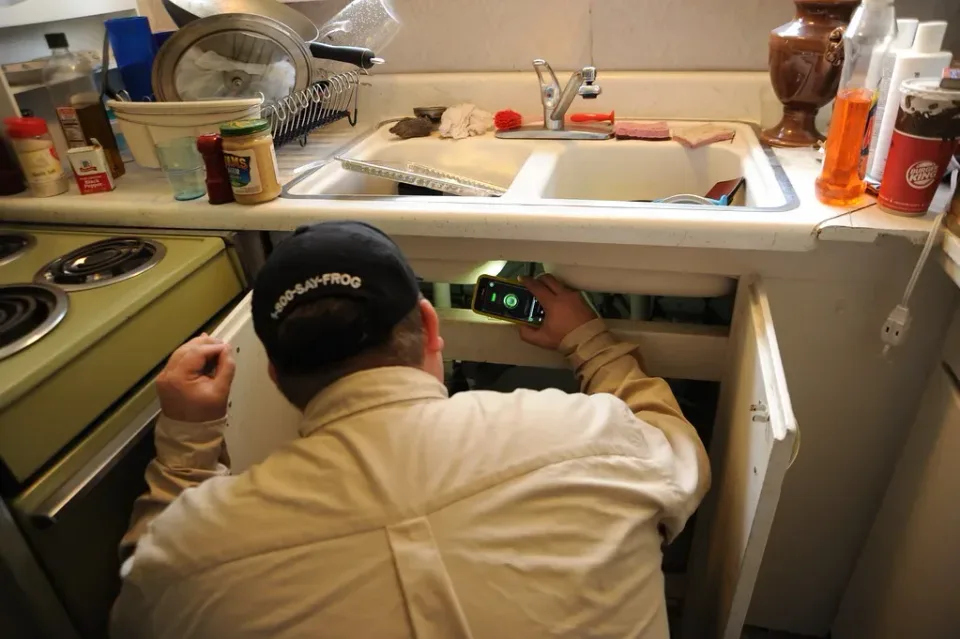
Inspect attics, crawlspaces, and utility rooms with a flashlight and moisture meter.
Treat the confirmed problem termite soil treatment, ant baiting, exclusion work using products per their EPA-registered label.
Schedule follow-up before we leave.
One self-check: run a knuckle along interior doorframes. A hollow sound where the wood should feel solid is worth a closer look. We serve all of Geneva, FL, including properties along FL 46. Call (855) 681-0299 to book.
Yes living near the Econlockhatchee River raises termite pressure on your home. Warm temperatures in the river corridor support year-round termite activity, and the eastern subterranean termite thrives in the damp soil that dominates low-lying lots near the Geneva Wilderness Area. Subterranean workers build mud tubes to bridge from soil to wood, which is why we check foundation walls, pier footings, and porch supports first on river-side properties.
What does that mean for you? We respond by treating soil with EPA-registered termiticide applied exactly to the label’s rate and depth, and by installing bait stations where trenching around a septic system or mature landscaping isn’t practical. We recheck those stations on a set schedule a step many one-time treatments skip.
Your check: look for pencil-width mud tubes on the foundation after rainy weeks and break one open. If it’s rebuilt within days, the colony is active. Bring us in when you see that, and we’ll confirm the species before treating.
Pest control in Geneva is regulated at the state level, not by city ordinance. Florida Statutes Chapter 482 requires anyone applying pesticides in or around a structure for hire to hold a structural pest control license through the Florida Department of Agriculture and Consumer Services.
The products matter too. Under FIFRA, the federal law governing pesticide registration and labeling, every termiticide and spray we use carries an EPA pesticide label with legally binding use and disposal directions. Applying more than the label allows isn’t a shortcut it’s a violation that can contaminate a well or a septic drain field, which matters on Geneva’s rural acreage properties.
If you hire DIY products instead, read the label fully and keep children and pets away during application.
Geneva homeowners call us because we explain the plan first and treat the whole property, not just the symptom.
Before any work begins, we walk you through the inspection or treatment plan, discuss access needs, and explain what happens next. You know what the technician will do and why before a single product is applied.
We started in the Gainesville area, learning how heat, humidity, and rainy seasons drive termite and mosquito activity. That experience shapes treatments for older wood-frame houses and newer construction alike.
Florida Pest Pros is a Florida Department of Agriculture and Consumer Services-licensed pest control operator, insured for pest-control operations, and a National Pest Management Association member. You get clear communication from the first call through follow-up.
Every job follows the same straightforward path from your first call to the finished treatment.
Describe the Problem
You call and tell us what you are seeing, where, and how long it has been going on. We ask a few questions about the property so the technician arrives prepared with the right equipment.
Inspect the Property
A technician checks the areas you reported plus the spots pests hide, like foundations, eaves, and damp wood. You get a clear explanation of what was found and what is causing it.
Agree on the Scope
We lay out the treatment plan, what it covers, and what follow-up looks like before work starts. You approve the scope, and we discuss access needs so there are no surprises during the visit.
Treat and Follow Up
The crew applies the treatment, keeps you informed about timing, and explains reentry and ventilation instructions from the product label. We schedule follow-up inspections where the plan calls for them, such as bait stations.
Across pest control calls, the most common reasons people reach out are rodents, general pest control and ants.
A technician schedules an inspection, checks mattresses, seams, and furniture, and explains whether heat treatment fits the situation before putting together a quote. The owner gets a written scope of the work and a treatment plan instead of guessing at what it takes to clear the unit.
The crew inspects for entry points and activity, sets up control measures, and points out what the homeowner can do to keep the problem from coming back. Activity is addressed early, before a small mouse problem turns into a larger infestation inside walls and cabinets.
A technician treats the areas where roaches travel and breed, explains what attracted them, and keeps the customer informed about timing and any follow-up visits. The kitchen gets treated at the source, and the homeowner knows what conditions to fix so roaches stop returning.
Swarmers shed their wings after finding a place to start a colony. Finding piles of wings indoors is worth an inspection, not a wait-and-see approach.
Bubbling paint above damp wood can hide termite galleries or moisture damage.
Spring is a smart time for an inspection, because mud tubes and discarded wings are easier to spot before foliage thickens around the foundation.
Treatments focus on the perimeter, drains, and damp zones where pests breed and hide.
Fall is a good time to check for storm damage, clear clutter near the foundation, and seal gaps before pests move indoors.
Even in mild Geneva winters, rodents and roaches seek warmth inside walls and pantries. Winter visits target entry points and interior harborage, and bait stations get their scheduled follow-up inspections.
A Florida Department of Agriculture and Consumer Services license and pest-control insurance mean the operator is accountable to state rules and you are protected if something goes wrong on the job.
A clear scope, in writing, shows which areas get treated, which pests are covered, and what would cost extra, so you can compare providers fairly.
Good providers tell you to clear stored items from treatment areas, keep children and pets away during application, and disclose prior treatments or termite warranties before work starts.
Recurring pest control often involves an agreement. Understanding the term, renewal, and cancellation rules before signing prevents surprises later.
Request a quote online or contact our Geneva, FL team directly by phone or email.
It depends on the pest and the property. Termite inspections generally run $75–$150 based on home size and scope, subterranean termite treatment ranges from $500–$2,500 depending on foundation access and method, and mosquito control visits typically fall between $75–$150 based on acreage and frequency. Estimates vary by infestation, property access, treatment method, and site conditions; final quotes depend on an on-site assessment.
Yes. Acreage and equestrian properties are a large share of our Geneva work. We plan treatments around wells, septic systems, barns, and fence lines, and we confirm gate access and property layout before arrival so the crew arrives with the right equipment the first time.
Mostly, yes. That’s why we recommend seasonal monitoring rather than a single one-time treatment for most Geneva homes.
Move stored items away from the inspection areas, provide access to the perimeter and utility rooms, point out any known pest activity, and keep children and pets away during application. We’ll confirm every prep step with you before the appointment so nothing gets missed.
Pest Control is also available in these nearby communities across Florida.