Plan Before Work
The team explains the inspection or treatment plan before work begins, including access needs and timing. You know what is included and what to expect before a technician starts.
Chiefland’s mild winters mean pests can stay active long after colder weather arrives elsewhere. In Hardeetown and Piedmont, our team checks the specific conditions around each home before recommending treatment.
Drywood termite swarms often follow warm, humid weather; if you find discarded wings indoors, save a few and note the window or door where they appeared. The timing and location help our crew distinguish a swarm from other insect activity. We also serve properties near Manatee Springs State Park and Chiefland City Park, where residents need practical plans suited to their home and the season.
Our work includes pest inspections, targeted treatments, and clear recommendations for next steps. For homes near the Chiefland Public Library, we can discuss scheduling and confirm what access our team needs before arrival.
We’ll explain what we find and what to do next.
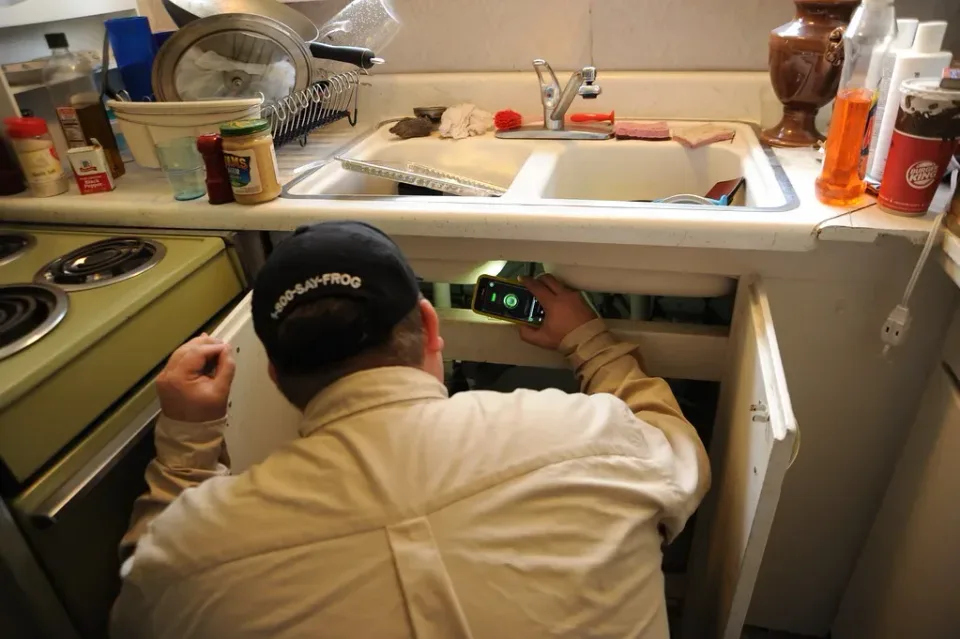
Manatee Springs State Park and Chiefland City Park are familiar local landmarks, but nearby homes still need pest plans based on their own conditions. Hot, humid summers can raise indoor moisture and pest activity, so our crew checks likely entry points and damp areas rather than treating every property the same way.
Extended heat can affect pesticide storage and application timing; we plan each visit around product directions and site conditions. The rainy season typically runs May through October, so tell us about recent water intrusion or persistent dampness when scheduling.
We confirm access before arrival, explain findings in plain language, and keep follow-up appointments. Call (855) 681-0299 to arrange a visit.
Our crew checks likely entry areas and surrounding wood, while you can safely note where the wings collect without disturbing them.
A damaged roof after a hurricane can leave openings pests may use. We inspect accessible exterior gaps and recommend appropriate pest treatment or exclusion; from the ground, you can look for visible roof damage and report it before the visit. Chiefland’s inland location can also bring sharper winter cold snaps than some coastal areas, so do not assume a brief cold spell ends pest activity.
We serve ZIP codes 32626 and 32644. Our team can discuss termite inspection, mosquito control, or rodent exclusion based on what you’ve noticed; call (855) 681-0299 to schedule.
After a summer downpour, check whether water is pooling beside the foundation. Frequent heavy rain can saturate soil around Chiefland homes, so our crew checks the foundation edge and visible entry points before recommending subterranean termite treatment.
Humidity matters, too. It can contribute to mold and wood decay, which may make it harder to tell whether bubbling paint or soft wood comes from moisture or insect damage. You can look for new discoloration without scraping or opening the surface; our team uses inspection findings to recommend the right next step.
We schedule service across town, including near Chiefland Public Library, and account for hurricane season, which runs June through November. If wind or rain has damaged a roof, tell us where you see the opening so we can focus our inspection. Call when you want our team to assess a specific concern.
FIFRA sets federal requirements for pesticide registration and labeling, so products must be used and disposed of according to their labels.
Our licensed pest control operator explains the treatment plan and label precautions before work begins. Near Chiefland City Park, as elsewhere in town, make sure our team can access the areas being inspected. Call (855) 681-0299 with questions about a planned treatment.
Florida Pest Pros keeps pest-control work clear, locally informed, and planned around your home.
The team explains the inspection or treatment plan before work begins, including access needs and timing. You know what is included and what to expect before a technician starts.
The company was built around Florida pest conditions, including heat, humidity, and heavy rain. That local experience helps shape practical plans for Chiefland homes, from older wood-frame houses to newer construction.
Appointments are coordinated from Gainesville, with technicians routed across regional markets. The team keeps customers informed about timing and follow-up, so you have a clear point of contact throughout the service.
Each visit starts with your concern and ends with clear guidance for the work completed.
Share the Concern
Tell the team what pest activity you have noticed and where it is happening. This gives the technician useful context and helps identify the right inspection or treatment to discuss.
Prepare the Area
The technician confirms access and any needed preparation, such as clearing stored items from treatment areas or identifying utility lines before drilling. You receive instructions for keeping children and pets away.
Complete and Explain
The technician carries out the agreed service and explains any product-label reentry or ventilation directions. If bait stations are part of the plan, the team can schedule follow-up inspections.
Mud tubes along foundation walls can signal termite activity. Note where they appear and avoid disturbing them before an inspection, so the technician can assess the evidence and the surrounding area.
Hollow-sounding wood around doorframes may point to damage that needs closer inspection. Mention the affected area and any other changes you have noticed so the technician can assess the concern.
Small piles of termite frass can appear near wood or along a wall. Avoid sweeping them away before you can describe where they appeared, which may help the technician evaluate the evidence.
Spring rain can leave damp areas around a home and increase pest activity. An inspection can help you identify concerns early, review the areas pests may reach, and decide what service fits your property.
Chiefland heat and humidity can affect pest activity around homes and buildings. A summer service visit gives you a chance to discuss current concerns, inspect problem areas, and review any needed treatment.
Hurricane-season rain and wind can shift outdoor conditions and bring new pest concerns near a home. An inspection can check areas you are concerned about and help you plan appropriate pest-control work.
Mild winters with occasional frost do not remove the need to watch for pest activity. A winter inspection can address concerns you notice indoors or outside and help you plan service based on your home.
Florida pest-control work is regulated, so it matters who will perform the service. Florida Pest Pros states that it has a Florida Department of Agriculture and Consumer Services–licensed pest control operator.
A clear scope helps you understand which areas and tasks are covered before work begins. Ask what the inspection or treatment includes, and whether any requested work falls outside the agreed plan.
Some services require clear treatment areas, access to specific rooms, or utility lines identified before drilling. Ask what to move or disclose ahead of time, including prior treatments or termite warranties.
Understanding the agreement helps you know what you are accepting and what happens after the visit. Ask about the service scope, follow-up responsibilities, and any terms that apply before approving the work.
Request a quote online or contact our Chiefland, FL team directly by phone or email.
Note the room and nearby window, and save a few wings if you can do so without disturbing the area. In Hardeetown or elsewhere in Chiefland, our team can inspect the surrounding wood and explain whether further treatment is needed.
No. Mild winters can allow pests to remain active. Check for new activity around doors, windows, and stored food, then arrange an inspection if you find signs you cannot identify.
Pest Control is also available in these nearby communities across Florida.