(855) 681-0299

Pest Control in St. Leo, FL - Termite Inspection & Cockroach Treatment

St. Leo sits along CR 52 just west of US 301, where the quiet streets around Saint Leo University and Saint Leo Abbey meet ranch-style houses and golf community homes near Lake Jovita. That mix of older wood details and block construction keeps us busy in a specific way: hot, humid summers push moisture into wall voids and under slab edges, and moisture is what draws roaches, rodents, and termites indoors.

Our team covers both 33576 and 33574, handling cockroach treatment, rodent exclusion, rat removal, and flea treatment for the same homes we inspect for termites. Summer heat changes how we work, too. Extended heat affects pesticide storage and application timing, so during the hottest months we schedule perimeter applications for early morning before surfaces get too hot for products to perform as labeled.

If you have seen droppings in a pantry, wings on a windowsill, or roaches near a kitchen drain, one call sets up an inspection.

Licensed & insured Pest Control in St Leo, FL
  • Subterranean Termite Treatment
  • Drywood Termite Treatment
  • Termite Inspection
  • Bed Bug Treatment
  • Mosquito Control
  • Fire Ant Control
1 State
300 Cities served
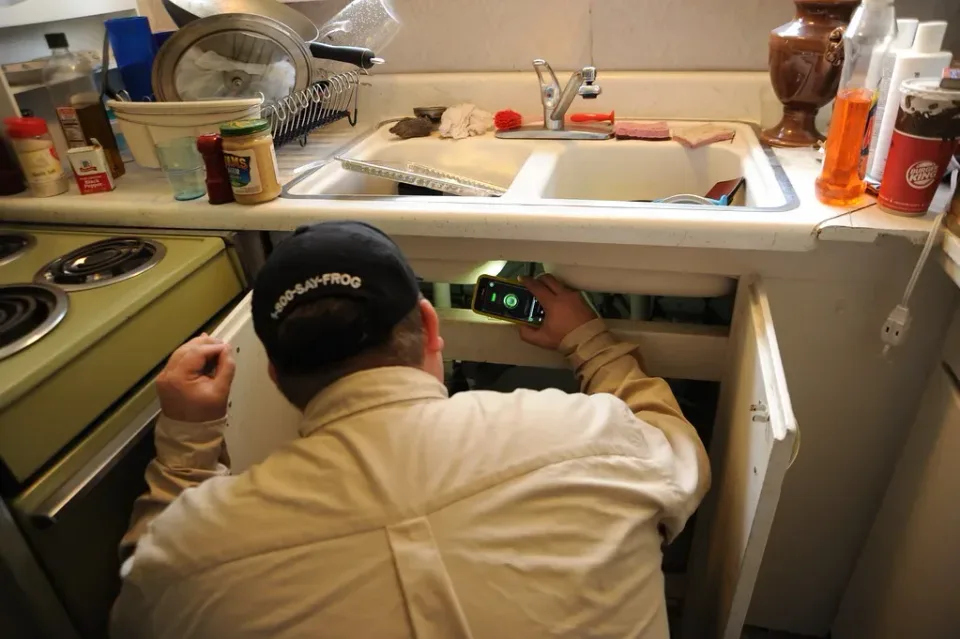
Pest Control Technician — Residential Service — Pest Control Technician, Baseball Cap, Smartphone, Pest Control, Pest Contro…
About Us

Who Handles Pest Control in St. Leo, FL

St. Leo is a small town with a long memory the Benedictine grounds of Saint Leo Abbey and the campus of Saint Leo University anchor it, while homes around Lake Jovita and along Abbey Lane sit close to lakefront vegetation. Mild winters here mean pests never really quit; roaches and ants stay active through months that would slow them down farther north.

Leo from our Florida dispatch. We schedule around your availability, confirm access before arrival, and explain every finding in plain language before recommending treatment. Hurricanes can damage roofs and expose buildings to pests, so after major storms we prioritize roofline and attic checks. Expect a practical plan, not a sales pitch call (855) 681-0299 to book.

Pest Control Services

How We Handle the Most Common Pest Calls in St. Leo

Three situations bring us to St. Leo homes more than anything else, and each one traces back to local conditions.

First, rodents moving indoors. Hurricane season runs June through November, and flooding may displace rodents and other pests indoors when ground-level burrows flood we see this along low spots near Lake Jovita after heavy rain. Our crew seals entry points and sets exclusion work before trap-out, and you can check yourself for gaps under garage doors wider than a pencil.

Frequent summer downpours can saturate soil around foundations, and slab homes in 33576 and 33574 are exposed along their entire perimeter. We inspect expansion joints and plumbing penetrations, then recommend treatment matched to what we find.

Third, moisture-loving roaches. High humidity can promote mold and wood decay, and decaying wood plus damp utility areas feed cockroach populations near kitchens and baths. We treat harborages, not just surfaces.

We cover every address in 33576 and 33574, including homes along CR 52 and the US 301 corridor. Call (855) 681-0299 to schedule.

St Leo, FL Local Landmarks

Why Do Termites Stay Active Year-Round in St. Leo?

Because warm temperatures support year-round termite pressure here there is no real dormant season. Freezes are uncommon statewide but possible in north Florida; in St. Leo, a cold snap may slow surface activity for a week, but colonies under slabs near Saint Leo University and the shaded lots around Saint Leo Abbey keep working through winter. That changes the math on waiting: a colony found in February is not a colony on pause.

When we perform a termite inspection, any wood-destroying organism findings go on the FDACS-13645 Wood-Destroying Organisms Inspection Report the state-standard form a lender or buyer may ask for during a sale. If treatment is needed, we apply only products under an EPA-registered termiticide label, following the label’s soil and application directions exactly.

One check you can make yourself: tap baseboards and doorframes with a knuckle. Hollow-sounding wood deserves a professional look.

St Leo, FL Permits & Compliance

How to Stay Compliant With Florida Pest Rules in St. Leo

Leo’s town government and knowing which rules apply protects you from unlicensed operators.

On the building side, Florida Building Code R318 requires termite protection during qualifying new construction and remodels Pasco County enforces that through the permit process, so if you are building near Lake Jovita, termite protection belongs in the permit scope, not as an afterthought.

The risk of skipping this: an unlicensed treatment can void a termite warranty, fail a real-estate inspection requirement, and leave you with no recourse if damage appears.

Call (855) 681-0299 before your next project breaks ground.

Why Choose Us

Local Pest Control in St. Leo, FL

Homeowners in St. Leo call us because we explain the plan before we start and treat for the pests Florida actually sends.

Local Florida Experience

We started in the Gainesville area and learned how heat, humidity, and rainy weather drive termite and mosquito activity. That experience shapes how we inspect and treat homes in St. Leo, from older wood-frame houses to newer construction.

Plan Before Treatment

Before any work begins, we walk you through the inspection or treatment plan, discuss access needs, and explain what happens next. You know what we are doing, why we are doing it, and when to expect follow-up.

Licensed and Accountable

Our operators hold Florida Department of Agriculture and Consumer Services licensing, we carry insurance for pest-control operations, and we belong to the National Pest Management Association. Appointments are coordinated from Gainesville and routed to technicians across regional markets.

How Pest Control Works

How a visit works

Here is how a typical job runs from your first call to the finished treatment.

Describe the Problem

You call and tell us what you are seeing, where it is happening, and how long it has been going on. We ask a few questions, note the details, and set an appointment that fits your schedule.

Inspect and Identify

A technician inspects the affected areas and the rest of the home to find the pest, the entry points, and the conditions feeding the problem. You get a clear explanation of what we found before anything is quoted.

Agree on the Scope

We lay out the treatment plan, what it covers, and what follow-up looks like. You confirm access needs, we discuss any preparation on your end, and nothing starts until you understand and approve the scope.

Treat and Follow Up

The technician applies the treatment, keeps you informed about timing, and explains reentry and ventilation instructions from the product label. We schedule follow-up inspections where the plan calls for them, such as bait station checks.
In Depth

Typical jobs in St. Leo, FL

Across pest control calls, the most common reasons people reach out are rodents, general pest control and ants.

Bites showing up after sleeping in the

A technician inspects mattresses, furniture, and seams to confirm the source, then walks the owner through a heat treatment plan and provides an estimate for the full scope before any work begins. The owner gets a written scope for the heat treatment and knows exactly what preparation is needed before the crew returns to treat.

Mouse activity reported inside the home

The crew inspects for entry points and activity areas, sets up a control plan, and explains where stations go and what the follow-up schedule looks like. Activity is addressed at the source, and the homeowner knows what to keep clear around treatment areas and when to expect the next check.

Roaches appearing near kitchen drains

A technician inspects the kitchen and nearby moisture areas, identifies what is drawing them in, and treats the harborages and travel paths rather than only the spots where they are seen. The homeowner gets a treatment plan aimed at the source, plus simple steps to reduce moisture and food sources between visits.

Pest Control Warning Signs

Early warning signs to watch for

Discarded Wings Near Windows

Discarded wings near windowsills usually mean swarmers have entered or exited the structure. Termite swarmers shed their wings after mating. Finding piles of wings indoors is a reason to schedule an inspection promptly, even if you see no other damage.

Hollow-Sounding Wood

Tap the frame with a knuckle; damaged wood often sounds papery or empty. Pair this with bubbling paint above damp wood and you have two reasons to get it checked.

Rodent Droppings in the Pantry

Rodent droppings inside pantry cabinets mean mice or rats are feeding and nesting nearby. Check along cabinet corners and behind stored goods. Discard contaminated food, store the rest in sealed containers, and call before the population grows.

In Depth

What changes through the year

Spring

Warming temperatures wake up termite colonies, and swarmers start looking for new places to nest. Spring is a smart time for an inspection, especially if you have noticed mud tubes, wings, or hollow wood around the house.

Summer

Heat and humidity push mosquito and roach activity to its peak, and heavy rain creates standing water and damp wood that attract both. Regular treatment through summer keeps populations from building up around the yard and kitchen.

Fall

Hurricane-season rain and wind leave moisture damage and debris that pests use as shelter. Fall is a good time to have damp areas, damaged soffits, and yard debris checked before rodents and roaches move indoors.

Winter

Mild Florida winters mean pests never fully stop. Winter visits catch entry points and set up bait stations before spring activity ramps up.

In Depth

What a visit changes

Termite Evidence at the Doorframe

Before: A homeowner notices small piles of termite frass below a doorframe and hollow-sounding trim, with no idea how far the damage reaches or what treatment would involve.

After: A technician inspects the frame and surrounding wood, confirms the activity, explains the treatment scope and any prior termite warranty disclosures needed, and treats the affected areas on an agreed schedule.

In Depth

Questions to ask before you hire

Are your operators licensed with the state?

Florida requires pest control operators to hold a Department of Agriculture and Consumer Services license. Ask for it, and confirm the company carries insurance for pest-control operations.

What do I need to do to prepare?

Good providers tell you upfront: clear stored items from treatment areas, keep children and pets away during application, and follow label reentry and ventilation instructions. Ask before the crew arrives.

What are the contract and cancellation terms?

Ask whether the work is a one-time treatment or an ongoing plan, what happens if pests return between visits, and how either side can end the agreement. Read those terms before signing.

Get a Quote

Get Pest Control in St Leo, FL

Request a quote online or contact our St Leo, FL team directly by phone or email.

Call Us

(855) 681-0299

Our Location

St Leo, FL

Working Hours

Mon–Sun 8am–8pm

Common Questions

Pest Control FAQs in St Leo, FL

Which parts of St. Leo do you serve?

We cover every address in 33576 and 33574, including homes around Lake Jovita, properties along Abbey Lane, and rentals near the Saint Leo University campus. Our dispatch routes crews along US 301 and CR 52, so arrival windows stay predictable for both ZIP codes.

What does termite treatment cost in St. Leo?

A termite inspection typically runs $75–$150 depending on home size and inspection scope. Subterranean termite treatment generally falls between $500 and $2,500 based on foundation access and treatment method, while drywood termite treatment ranges from $1,500 to $5,000 depending on infestation extent and whether fumigation is needed. Estimates vary by infestation, property access, treatment method, and site conditions; final quotes depend on an on-site assessment.

Do I have to leave my home during treatment?

It depends on the method. Perimeter soil treatments and bait station work usually let you stay home with pets kept away from treated areas until dry. We confirm preparation steps with you before every appointment so there are no surprises on treatment day.

Are your technicians licensed in Florida?

Yes.